
When people think about branding, they often think about a logo. For example: the swoosh, the apple, the interlocking Cs and the four Ls of LOEWE.
But a logo is only one piece of the puzzle. A brand can remove its logo from a product, campaign or store and still be recognisable. We can often identify a brand through a colour, a sound, a material, a phrase, a ritual, a particular way of speaking, or simply through the feeling it creates.
So, what exactly makes a brand a brand?
One interesting way of looking at this is through Primal Branding, a model developed by Patrick Hanlon.
Hanlon’s central idea is that brands are not simply logos, advertisements, websites or products. They are communities connected by a shared belief system.
The model identifies seven elements that help create that system:
Together, these elements create something much more powerful than visual recognition: belonging.
This is particularly interesting in luxury, where consumers are not simply buying functional products. They are often buying into a world, a set of values and a particular cultural universe.
And few fashion houses illustrate this better than LOEWE.
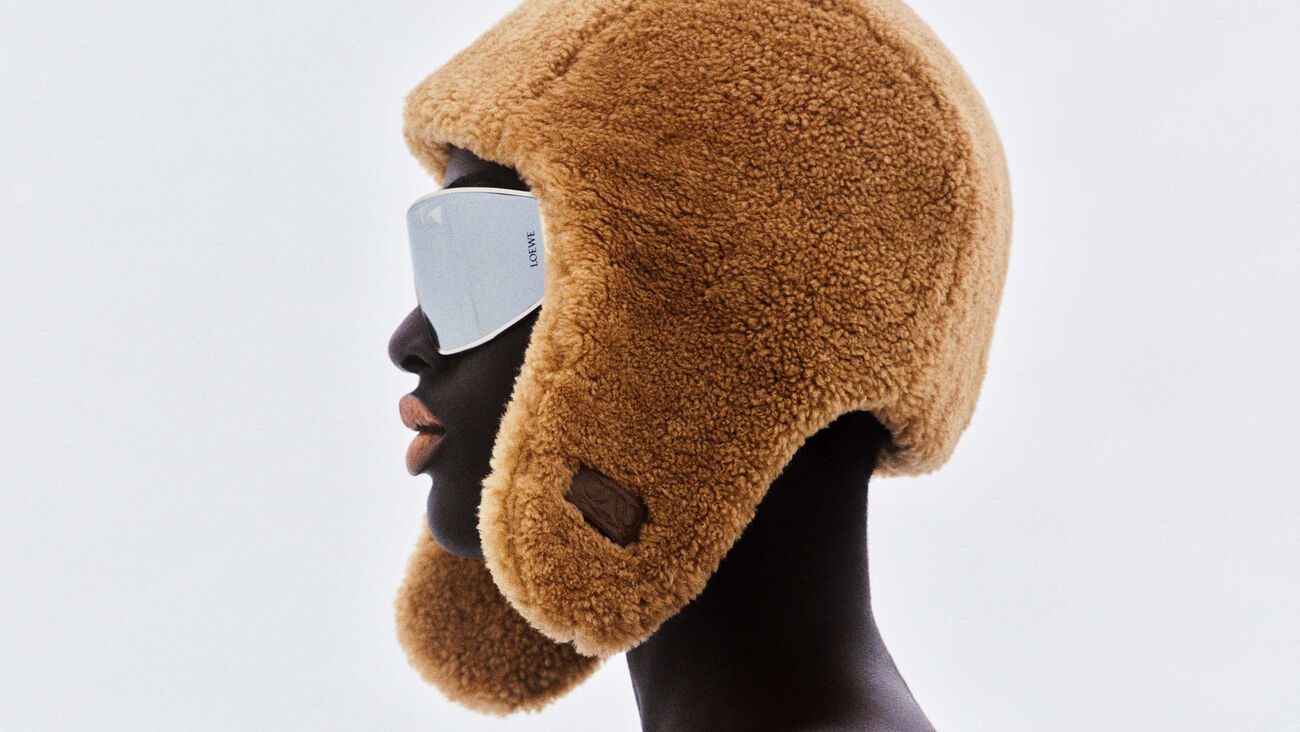
Every strong brand has a story about its origins. In Primal Branding, the Creation Story answers a fundamental question: Who are we, and where did we come from? It becomes the foundation of the brand’s narrative and credibility.
LOEWE’s story begins in Madrid in 1846, when a collective of Spanish artisans established a leather workshop. Later, German leather merchant Enrique Loewe Roessberg became involved and gave the house his name.
That history matters because LOEWE does not present craftsmanship as a recent marketing idea. Craft is embedded in the origin of the house itself.
Today, LOEWE continues to describe its heritage through its relationship with craftsmanship, leather and its Madrid atelier.
The story therefore becomes more than historical information, it becomes brand meaning.
A creed is the belief system behind the brand: the principles that explain what it stands for and how it sees the world.
For LOEWE, one of the clearest expressions of that creed is craft.
The house describes craft as being at the core of its collections and creative expression, connecting its historic expertise with experimentation, contemporary culture and new ways of thinking.
This distinction is important because a luxury brand can say “We make leather goods.”, or it can communicate “We believe craftsmanship is a form of culture.” This second statement creates a worldview, a much more powerful branding tools than product descriptions.
This is probably the element most people associate with branding.
Icons are concentrated pieces of meaning. They can be visual, auditory, olfactory or sensory, and their power comes from their ability to trigger associations almost immediately.
The obvious example for LOEWE is its Anagram: created in 1970 by Vicente Vela, the four-L motif was inspired by the branding irons traditionally used to mark leather.
But LOEWE’s icons go far beyond the Anagram, think about:
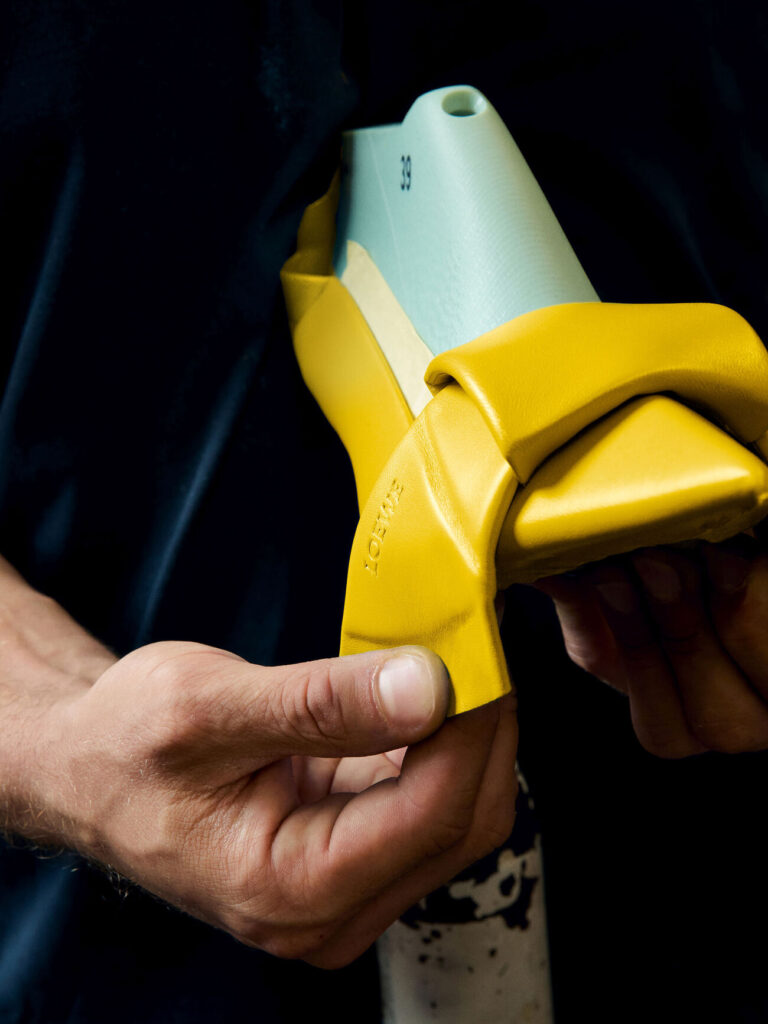
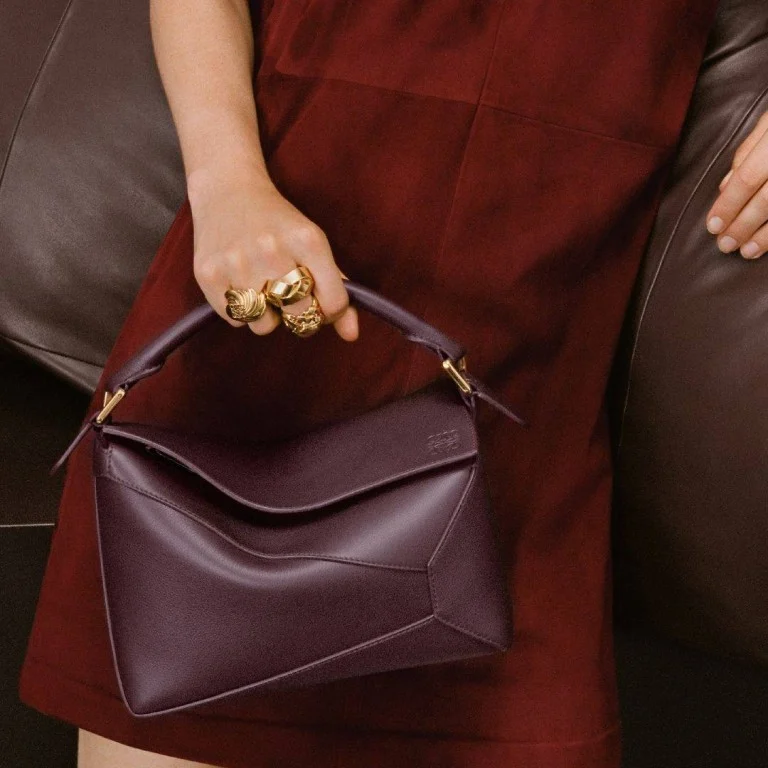
When LOEWE launched the Puzzle bag in 2015, its unique multi-piece leather construction quickly made it a modern icon. But the interesting thing is that none of those pieces are meant to work in isolation; instead, they come together to form a whole visual and sensory language, which is really the essence of good branding.
Brands also create their own vocabulary and in Primal Branding these are called Sacred Words: terms, phrases and expressions that members of a community learn and recognise.
In fashion, this can be particularly powerful, words such as couture, atelier, craftsmanship, Anagram, Puzzle or Casa can carry meanings that extend beyond their literal definitions.
LOEWE’s language is closely connected to its world of craft, art, leather, Spanish culture and creativity.
Once consumers understand that vocabulary, they don’t simply recognise products, they recognise the universe behind them.
Rituals are behaviours repeated over time. They create familiarity, structure and a sense of participation.
This is where luxury branding becomes particularly interesting. Think of the entire ritual built around a house like LOEWE: entering the boutique, being welcomed by staff, touching the fabrics, trying things on, receiving the iconic packaging, and unboxing at home, not to mention following new launches, visiting exhibitions, or returning over the years. These steps actively transform a purchase into an experience.
And LOEWE extends this experience beyond fashion itself through its relationship with art and craft. Its LOEWE Foundation Craft Prize, established in 2016, positions contemporary craft as part of the cultural world surrounding the house.
The product is therefore only one moment in a much larger ritual.
Defining a brand community is as much about what it rejects as what it embraces.
The model describes the “Pagans” or “Nonbelievers” as the people, ideas or behaviours that sit outside the brand’s belief system. In other words: Who are we, and who are we not?
For a luxury brand, this doesn’t necessarily mean having an explicit enemy. A brand can differentiate itself from mass production through craftsmanship, from disposable consumption through longevity, from purely functional design through cultural relevance and from conventional luxury through experimentation.
In LOEWE’s case, its emphasis on craft, artistic experimentation and playful creativity helps establish a territory that feels distinct from a purely status-driven definition of luxury.
The “nonbeliever” can therefore be an idea, not necessarily a competitor.
Finally, there is the Leader and according to Primal Branding, leaders are the catalysts, visionaries and people who give direction to the movement.
In fashion, the creative director can become particularly important because they often act as the human expression of the brand’s worldview. And in this case, LOEWE provides an interesting example.
Jonathan Anderson’s tenure, beginning in 2013, was associated with a significant renewal of the house’s identity and with an expanded relationship between fashion, craft and culture. LOEWE itself describes this period as a major rejuvenation of the house.
Today, however, LOEWE has entered another creative chapter: Jack McCollough and Lazaro Hernandez have led the collections since 2025.
This illustrates something important about branding: The leader can change but the belief system needs to remain coherent.
While a logo matters, it isn’t the brand itself, it’s simply one icon within a much larger system. At its core, a truly powerful brand is able to answer seven fundamental questions:
When these elements actively reinforce one another, branding moves far beyond decoration to become pure culture, a vital lesson for today’s luxury market. Because luxury houses no longer compete solely on product, craftsmanship, or visual identity; they compete on meaning. The real question is no longer “What does my brand look like?” but rather “What does my brand make people believe, feel, recognize, and participate in?” That is where branding transforms into something far bigger than a logo.
Which of these 7 elements do you think is the hardest for modern luxury brands to maintain as they scale?